Entry · Ref 0RA9IOZQ
Getting Ready for a Replacement Key Appointment
- Posted
- 2026-11-13
- Last amended
- 2026-11-13
- Account
- @thekeyjournal
What to do before the locksmith arrives
Losing a house key or breaking one off in the lock can throw off your whole day. When you call a locksmith for help with damaged or missing keys, you want the visit to go smoothly and quickly. A little preparation on your end can save time, reduce stress, and help the technician get the job done right the first time. Whether you are locked out or simply need a new set cut, knowing what to have ready makes all the difference.
Start by confirming the type of key you need. Most modern house keys fall into one of a few categories: standard pin-tumbler keys, blank key blanks that are cut on site, or higher-security keys with restricted key codes. If your lock uses a key cylinder that requires a specific blank, that information speeds up the process. If you have any old keys, even broken ones, bring them along. A locksmith can often use the pieces to determine the correct key blade shape and bitting. If the key is completely gone, you will rely on the lock itself for identification.
Gather proof of ownership
Locksmiths are careful about who they make keys for. Before they cut a new key or rekey a cylinder, they need reasonable assurance that you are the rightful occupant or owner. Having proof of ownership or residency ready avoids delays. A driver’s license with your current address, a lease agreement, a utility bill, or even a property tax statement usually works. If you are renting, a note from the landlord or property manager may be required. This step is standard practice and protects both you and the technician.
Without proper documentation, the locksmith may have to refuse service or charge for a return visit after you gather the paperwork. It is better to check in advance. If you are calling a mobile locksmith service, ask what forms of ID they accept so you can have them ready when they arrive. Some companies also accept a verbal confirmation from a landlord over the phone, but do not count on that. Have something physical or digital ready to show.
Know your lock type
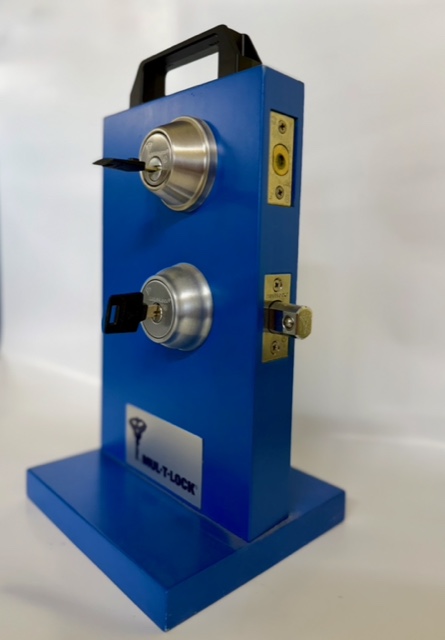
Not all locks are the same. The most common residential lock is a standard deadbolt or a key-in-knob lock. But you may have a high-security lock with a restricted keyway, a smart lock with a backup key, or a lock that uses a transponder key for access. If you have the original packaging or the lock brand name, share that with the locksmith when you book the appointment. It helps them bring the right tools and key blanks.
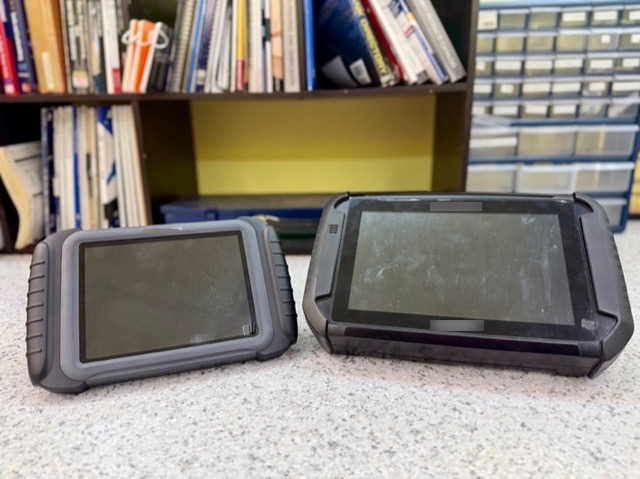
If the lock is old or unfamiliar, take a clear photo of the keyway and the face of the cylinder. A locksmith can often identify the lock type from a picture. This is especially helpful for mobile appointments where the technician may be coming from across town. The more they know before they arrive, the fewer trips back to the truck for different supplies.
Okey Locksmith is also on Instagram.
Check if the key is stuck or broken
A key that snapped off inside the lock requires a different approach. The technician will likely need to perform a key extraction before cutting a replacement. This process uses a small tool to grip and pull the broken piece out of the key cylinder. It is delicate work and requires patience. If the key broke off flush with the cylinder face, the extraction is more complex. Do not try to remove it yourself with pliers or glue unless you have experience. You can easily damage the lock mechanism, turning a simple extraction into a full cylinder replacement.
If the key is simply stuck but not broken, try gently wiggling it while pulling. Sometimes a key jams because the lock is misaligned or the key is slightly bent. If it does not come free, stop and wait for the locksmith. Forcing it can break the key inside the lock. Let the professional handle it. They have the right tools and lubricants to free the key without damaging the cylinder.
Decide if you need rekeying or new keys
Sometimes you do not just need a replacement key, you may want to change the lock so old keys no longer work. This is called rekeying. The locksmith changes the pins inside the cylinder so a new key works while the old ones do not. Rekeying is faster and cheaper than replacing the entire lock, and it keeps the same hardware and appearance. It is a common choice after moving into a new home, losing a key, or ending a relationship.
If you choose rekeying, the technician will need to remove the cylinder and repin it on site. The appointment takes a little longer than a simple key cut, but the result is peace of mind. If you prefer new keys that match the existing lock, the locksmith can cut keys from the lock code or from a working original. Some locks have a key code stamped on the cylinder face or the key itself. That code can be used to order exact duplicates from the manufacturer, but that takes time and may cost more. For same-day service, on-site cutting is usually the way to go.
Prepare the work area
If the locksmith is coming to your home, clear a path to the door or lock that needs work. Move furniture, rugs, or decorations out of the way. Good lighting helps the technician see the keyway and cylinder clearly. If the lock is on a garage door or a back gate, make sure the area is accessible and free of tripping hazards. For mobile locksmiths who work from a van, a clear path also means they can bring their cutting machine and other tools close to the job site.
If the lock is on a vehicle or a commercial door, the same advice applies. Clear the area, have your ID ready, and know the make and model if possible. For transponder keys, the technician may need to program the key electronically. That process requires specialized equipment and sometimes a working original key to clone the signal. If you have lost all keys, the locksmith will need to read the lock or the vehicle’s system to generate a new code. This can be done on site but takes more time.
What to expect during the appointment
When the locksmith arrives, they will first verify your identity and ownership. Then they will inspect the lock and determine the best approach. For a standard key cut, they may use a manual key cutting machine or an electronic duplicator. The process is quick, often under ten minutes per key. For rekeying or extraction, the technician will remove the cylinder, work on it, and reassemble the lock. You should be present to test the new key before the locksmith leaves. Check that the key turns smoothly, locks and unlocks the door, and does not stick.
If the key is a transponder type, the technician will program it to match the vehicle or building system. This may involve several steps, including copying an existing key’s signal or generating a new code from scratch. Ask if the new key will work immediately or if there is a learning period. Some systems require the key to be used a few times before it registers fully.
Keep a spare key after the visit
Once you have a working replacement, make a spare key right away. Keep it in a safe place, with a trusted neighbor, in a lockbox, or in your wallet if it is a small key. Having a spare prevents the same situation from happening again. If your lock uses a restricted key code, order an extra blank now while the code is known. It costs little and saves a lot of hassle later.
If you ever find yourself in a pinch again, a mobile locksmith can still help with damaged or missing keys. But with a spare on hand, you may not need to call. That small step gives you a backup plan and a little more control over your day.
Okey Locksmith, located at 3121 SW 29th St, Oklahoma City, OK 73119, USA, can be reached at +1 405-703-8943 for 24/7 mobile automotive, residential, commercial, access control, and emergency locksmith services in Oklahoma City and nearby communities.